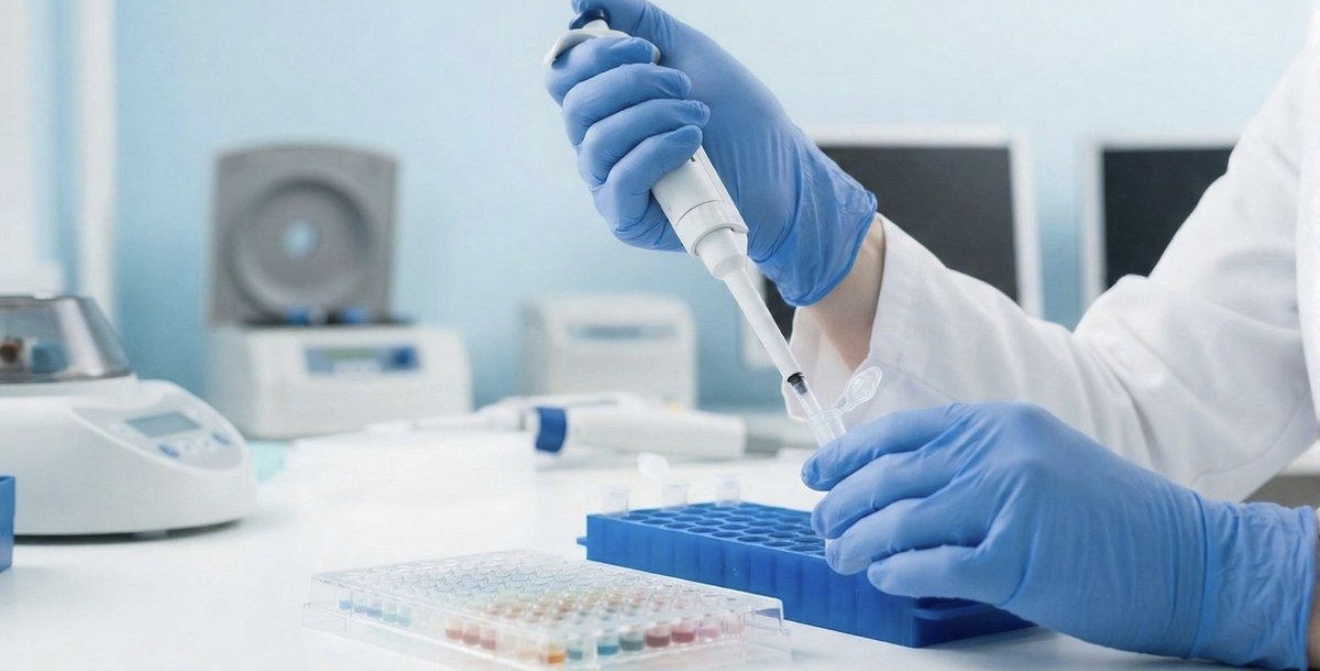
A diagnosis seems to begin in the doctor’s office. For Shakhnoza Khamidova, it begins earlier: in a carefully labeled sample, a properly calibrated test, and a record that gets every detail right.
Khamidova, now based in New York, is a medical graduate and independent researcher focused on laboratory medicine and molecular diagnostics. Her aim is simple to state. Many serious cancers have no routine screening, so they are often found only after symptoms appear. She wants to help close that gap.
Inside the laboratory
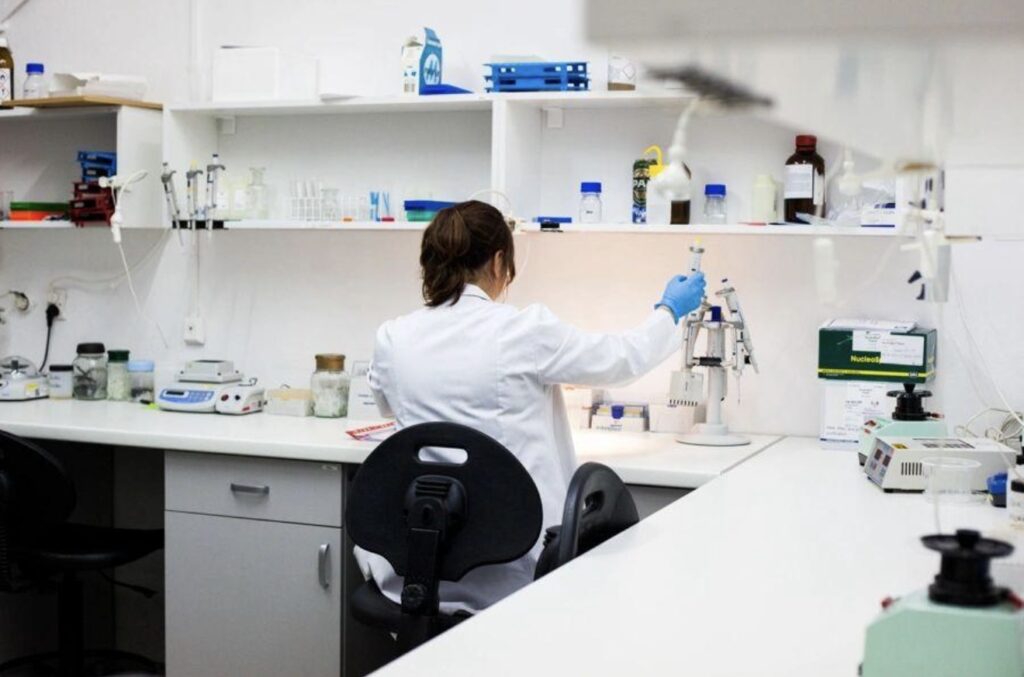
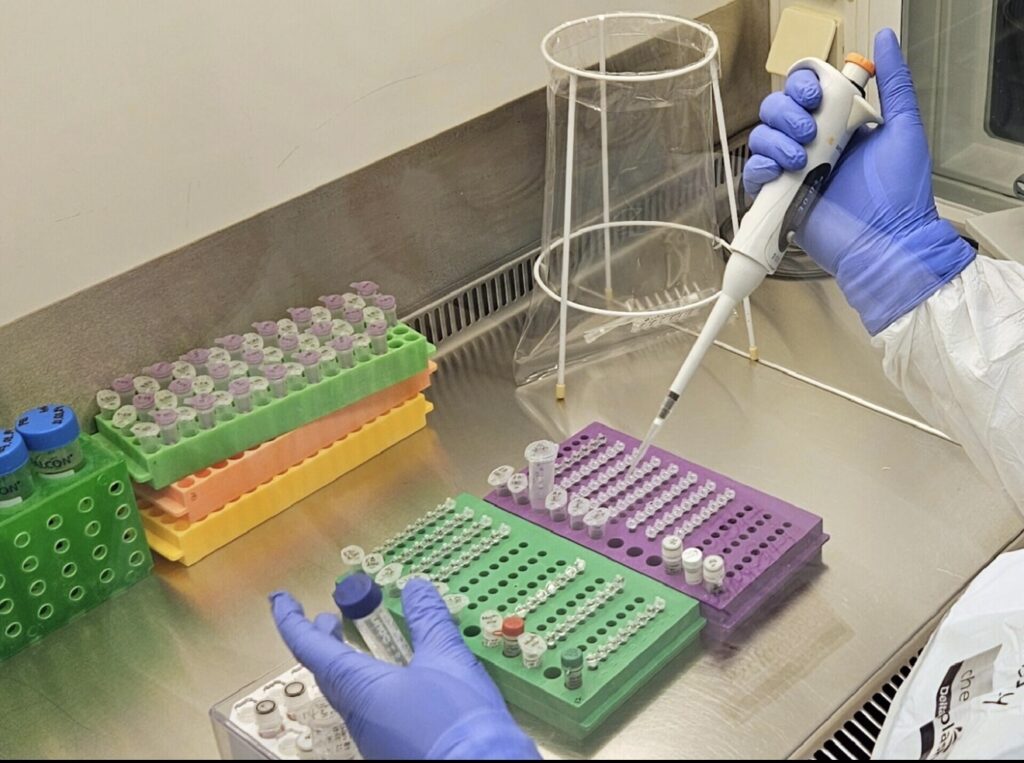
When COVID-19 made reliable testing a daily necessity, Khamidova joined the staff at Korea No.1 / HANA ITC Laboratory in Tashkent. She supported PCR testing workflows, took part in sample collection, including for patients being tested for the virus, handled results, and maintained the laboratory’s computer-based records.
The laboratory worked in an international environment and supported testing for people who needed results to travel. Those results had to be dependable enough to be accepted well beyond Uzbekistan’s borders. Seeing how much rests on the work behind the bench is what drew her toward the science of diagnostics itself.
A clinical foundation
Her laboratory work rests on a six-year medical degree in general medicine, completed in 2022 at Tashkent Pediatric Medical Institute, which qualified her as a general practitioner. Alongside her studies, she assisted physicians in gynecology, surgery, and ear, nose, and throat care in Uzbekistan and Moscow, supporting patient care, medical documentation, safety procedures, and confidentiality. The lesson she took from it: in medicine, small details are rarely small.
Research: one manuscript submitted, one in preparation
Khamidova’s research uses systematic reviews and meta-analyses, which pool the findings of many studies to show what the combined evidence says about how well a test performs.
Her manuscript on pancreatic ductal adenocarcinoma has been submitted for publication and is currently undergoing technical checks. It evaluates the diagnostic accuracy of plasma cfDNA 5mC methylation signatures, chemical markers on DNA circulating in the blood, for detecting this notoriously late-found cancer at an early stage.
A second project, on prostate cancer screening, is in preparation. It examines PSA-based screening pathways, Stockholm3 risk assessment, and MRI triage, and asks whether they can identify clinically significant cancers while reducing unnecessary biopsies and overdiagnosis.
A professional community
In 2026, she became a professional member of the Association for Diagnostics & Laboratory Medicine (ADLM), affiliated with its Cancer Diagnostics & Monitoring Division and its Genetics & Genomics Division.
She speaks Uzbek, Russian, English, and Tajik, which suits a discipline built on international research.
Why it matters
Cancers found sooner are generally easier to treat, but a test is only as good as its accuracy. One that raises false alarms can mean stress, extra procedures, and cost without better outcomes. That is why careful, independent evaluation matters: someone has to establish how often a test is right, how often it is wrong, and whether it truly helps patients.
Khamidova is doing that work from a rare vantage point. She has seen medicine from the bedside and the laboratory bench, and she has now taken the step from practitioner to researcher, with a manuscript submitted and a second project underway. Her goal is clearer answers, reached sooner, with fewer unnecessary procedures, and she is already working toward it.

Daily magazine for entrepreneurs and business owners